
The most common way a safety system fails is not a bad detection. It is a correct alert that arrives somewhere nobody is looking.
I have walked into plants with a beautiful wall dashboard in a conference room that gets opened once a week. By then the guy who reached into a nip area while the guard was open has done it four more times.
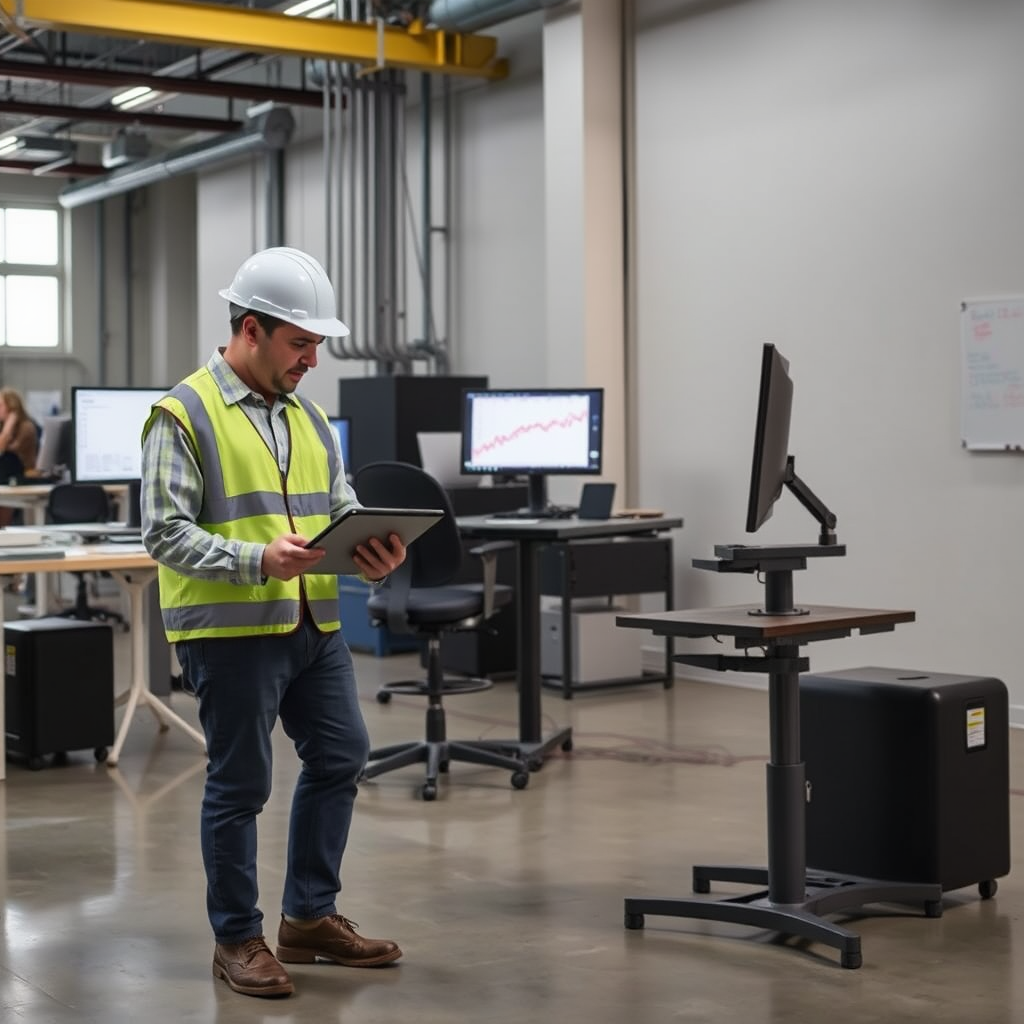
So the design question we care about most is who gets the message. With Braingine the alert goes to the shift supervisor on the floor, on the phone that is already in their pocket, in the moment it happens, with the clip attached so they can see it and go handle it. The EHS manager gets the pattern later. The supervisor gets the thirty seconds that matter.
It runs on the cameras you already have, in 210+ plants and 1,150+ locations, up in 5 days or less and showing results inside 30 days.
If you want to see what your supervisors would have gotten on their phones last week, send me a message. That is exactly what a 30-Day Pilot on one site shows you.
Originally posted on LinkedIn by Alejandra Ramirez. See the post and the discussion on LinkedIn.