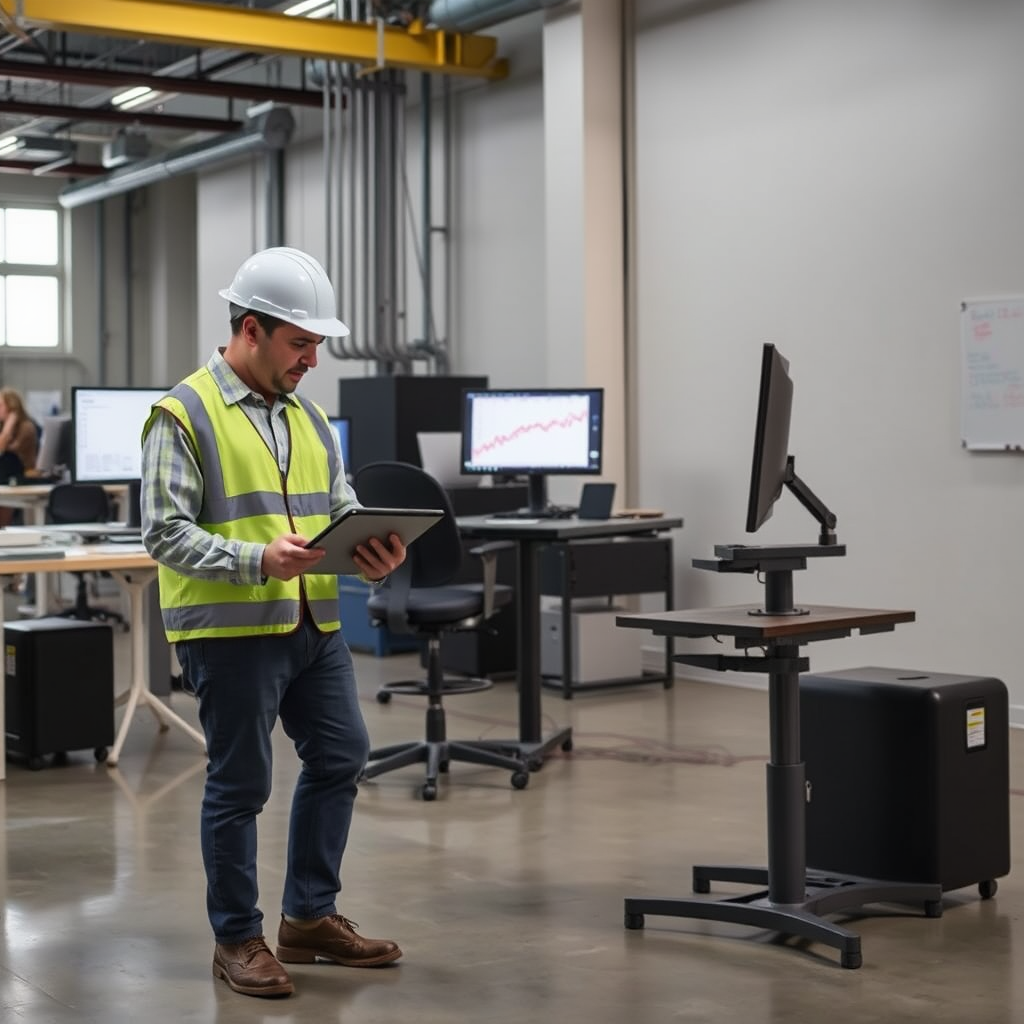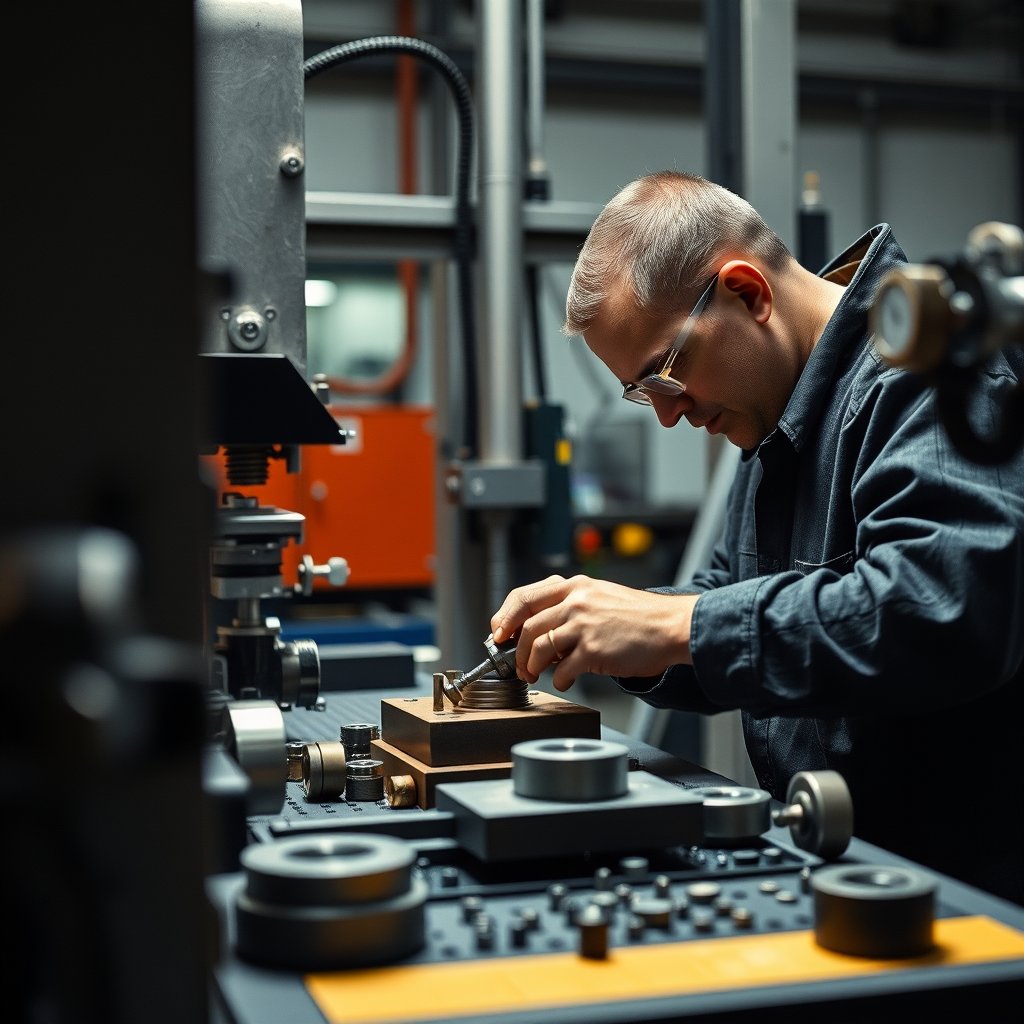
Every workstation has a story that unfolds slowly enough that nobody notices it in real time.
A technique drifts a few degrees off standard. A grip changes to compensate for a tool that has gotten slightly harder to turn. A posture adapts to a shelf height that was fine for one operator and awkward for the next. None of it looks urgent on any given day. All of it accumulates.
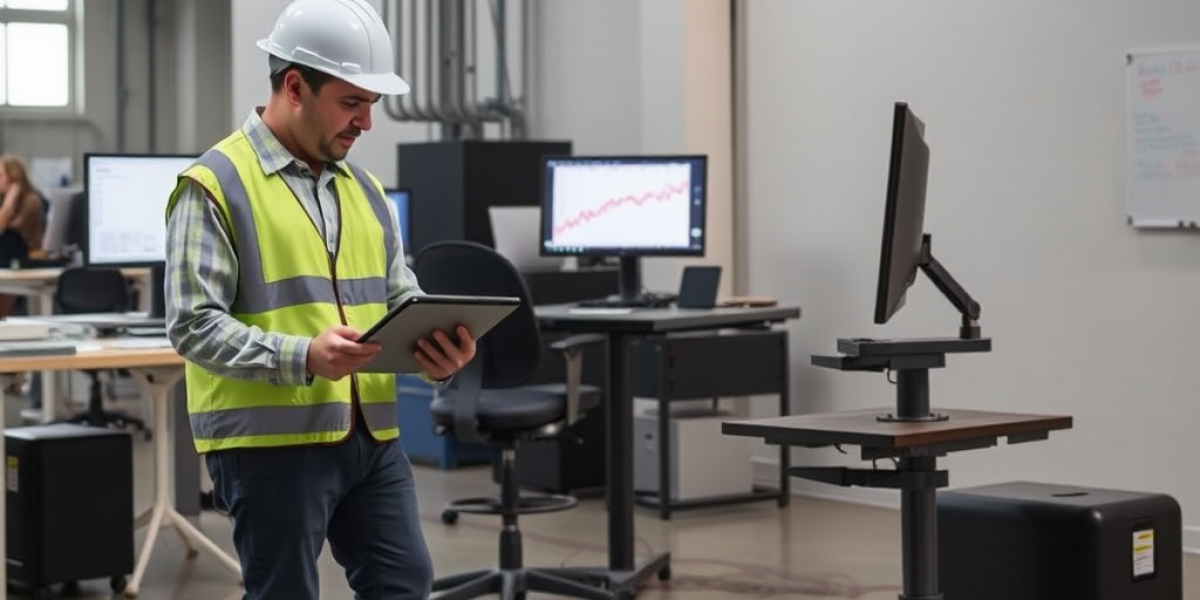
Proactive Safety Intelligence, from your existing cameras, on-site, is built to notice exactly that kind of slow drift, tracking a workstation over weeks and months instead of during a single scheduled observation. A trend line replaces a guess. The shift from this technique looks fine today to this technique has been drifting for six weeks happens automatically, instead of waiting for a claim to force the conversation.
That capability reaches past ergonomics. The same trend-watching that catches a drifting lift technique also catches a process drifting from its designed cycle time, a quality check quietly getting skipped, a changeover that has crept ten minutes longer than it used to take. Workstations do not separate their ergonomic drift from their operational drift. Only the reporting structure does.
That is Operational Risk Visibility working at the smallest unit of the floor: one person, one workstation, one slow trend worth catching early.
Karl reshare suggestion: The injury claim is never the beginning of the story. It is usually the last page.
https://braingine.ai/what-is-proactive-safety-intelligence/
Originally posted on LinkedIn by Karl Mudespacher. See the post and the discussion on LinkedIn.