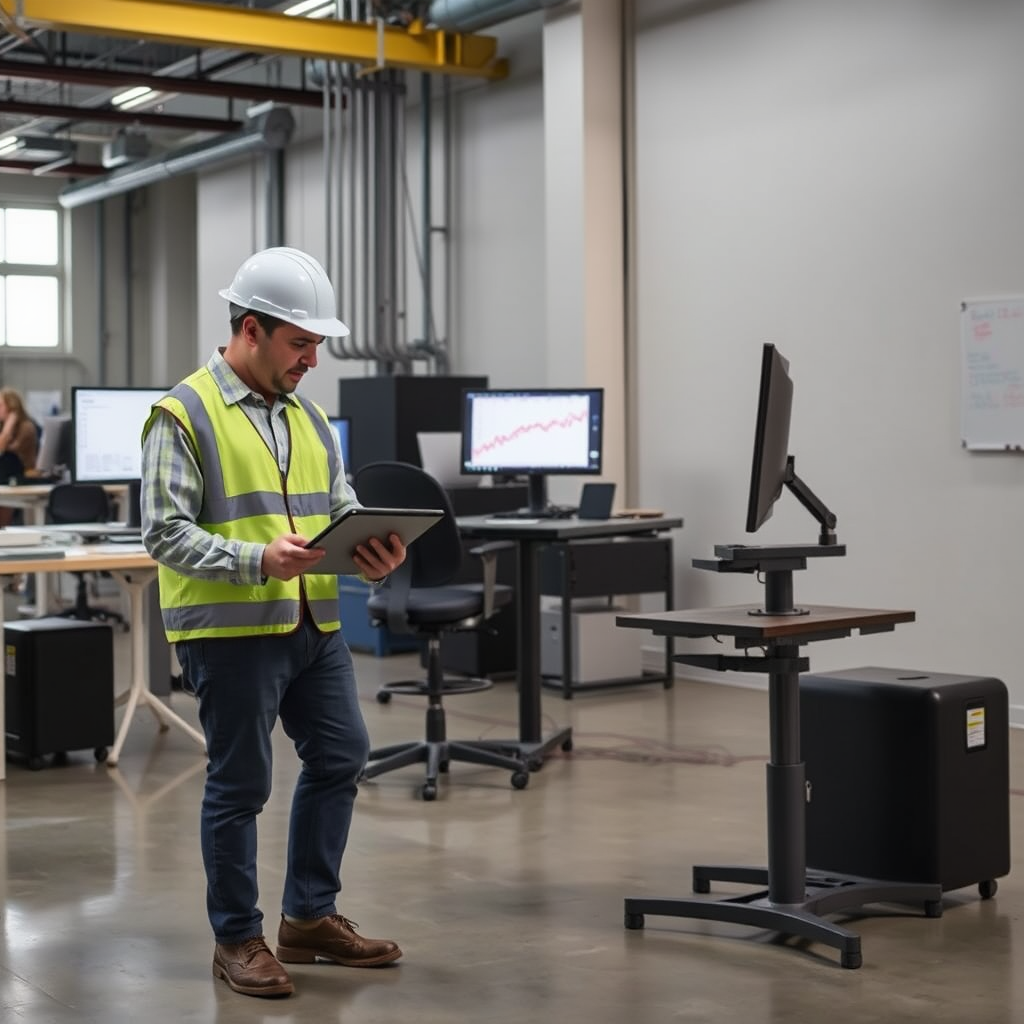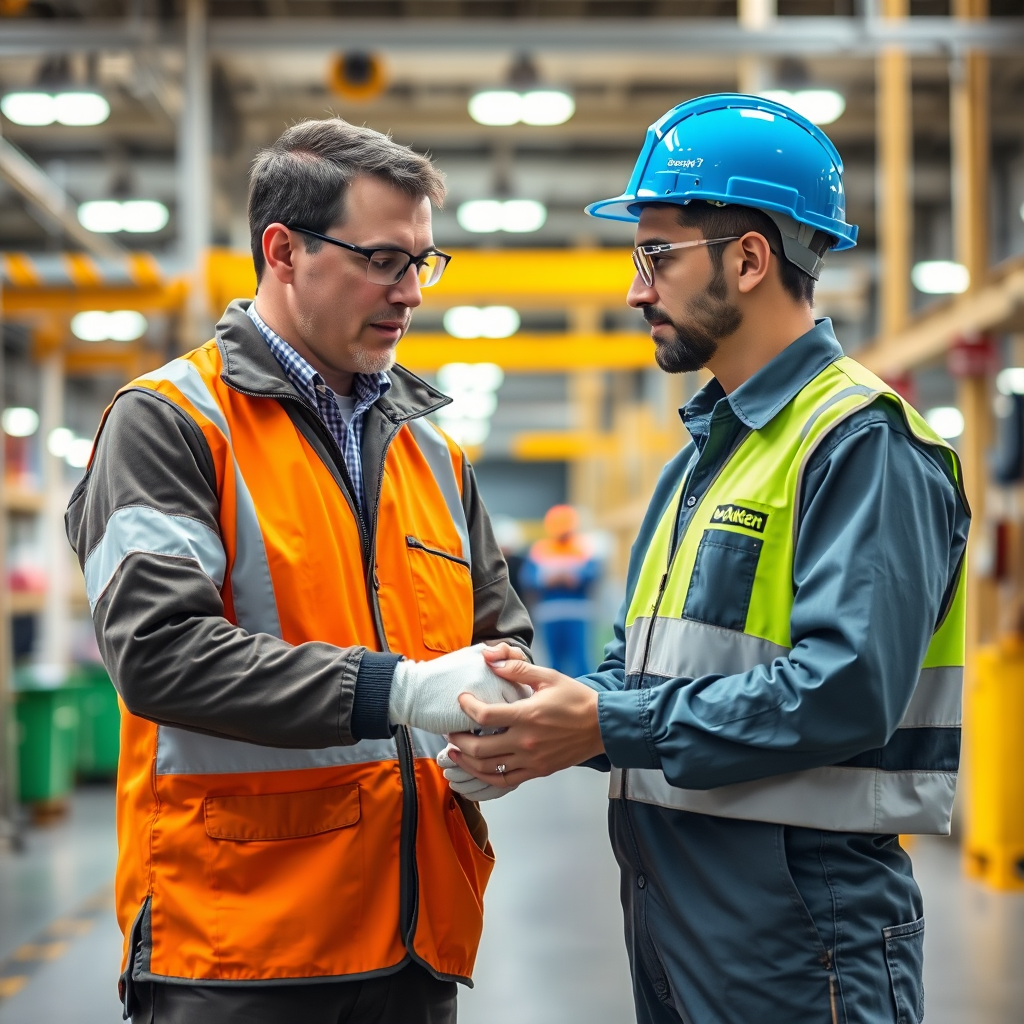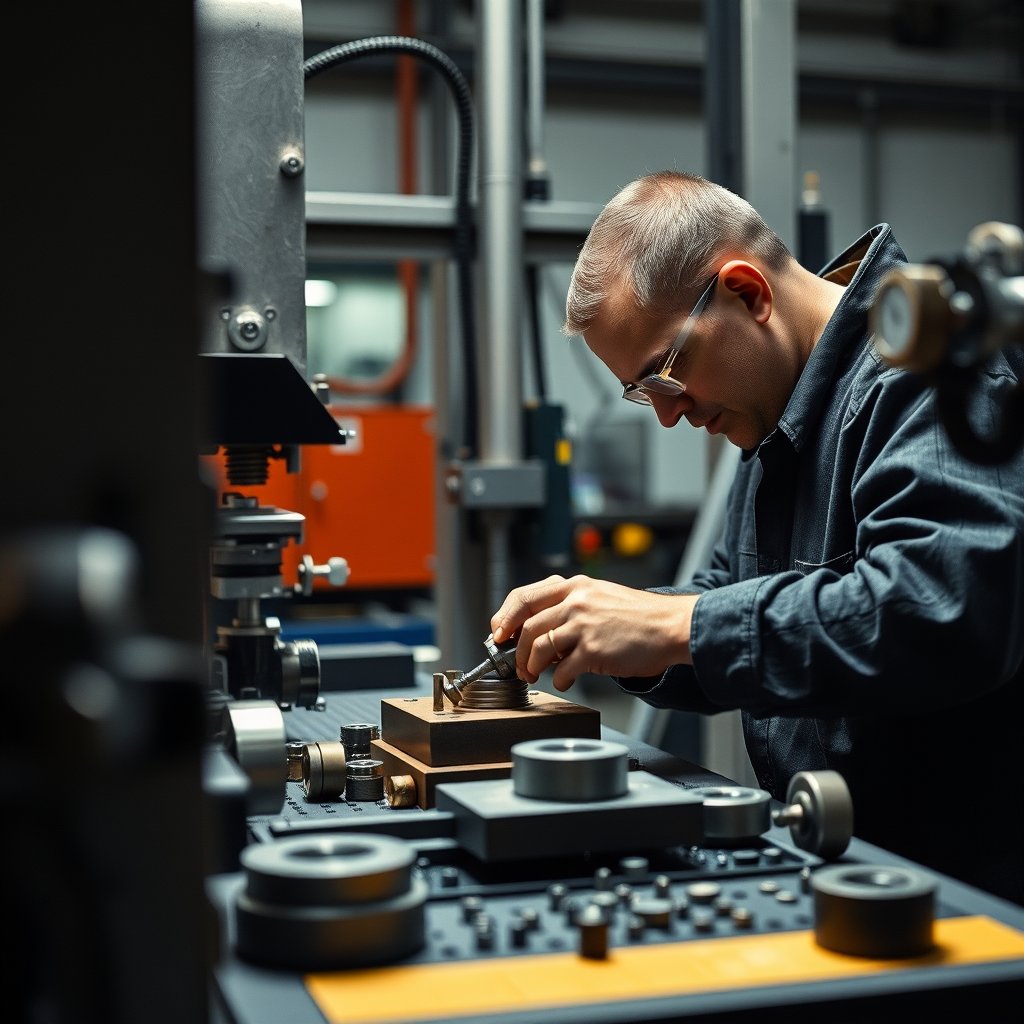
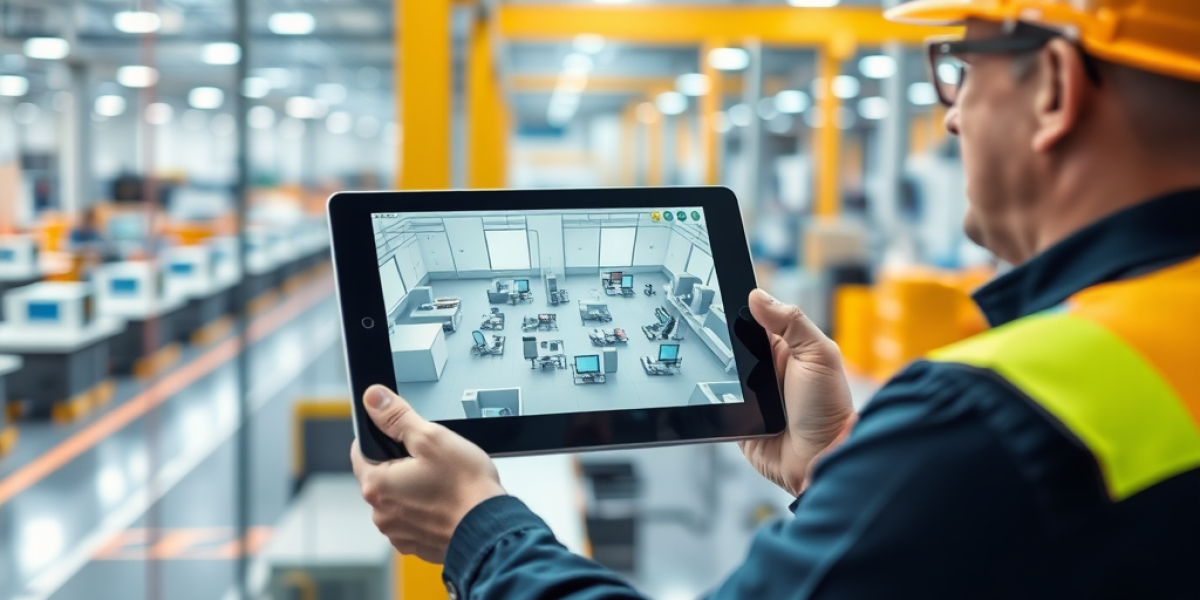
Ergonomics programs have always faced the same tradeoff: rigorous assessment takes time, and time is the one resource that limits how often any workstation gets observed.
Most plants solve that tradeoff by sampling. A rotation of workstations gets assessed each quarter or each year, a defensible standard that still leaves most workstations, on most days, unmeasured.
Proactive Safety Intelligence changes the tradeoff, from your existing cameras, on-site, reading posture, reach, and repetition continuously instead of during a scheduled visit. Not to replace the ergonomist's expertise, but to tell the ergonomist which workstation, on which shift, actually needs their attention next, instead of guessing from a rotation schedule.
That shift, from periodic scoring to continuous reading, tends to be where plants that started with safety first notice the ladder upward. The same continuous view that flags a reaching posture also flags a pace that has crept past standard, a station running behind, a process quietly drifting from how it was designed to run.
Ergonomics is often where Operational Risk Visibility starts, because the strain and the inefficiency usually live at the exact same workstation.
Karl reshare suggestion: Most ergonomic injuries were not invisible. They were just not being watched on the day they happened.
https://braingine.ai/what-is-proactive-safety-intelligence/
Originally posted on LinkedIn by Karl Mudespacher. See the post and the discussion on LinkedIn.