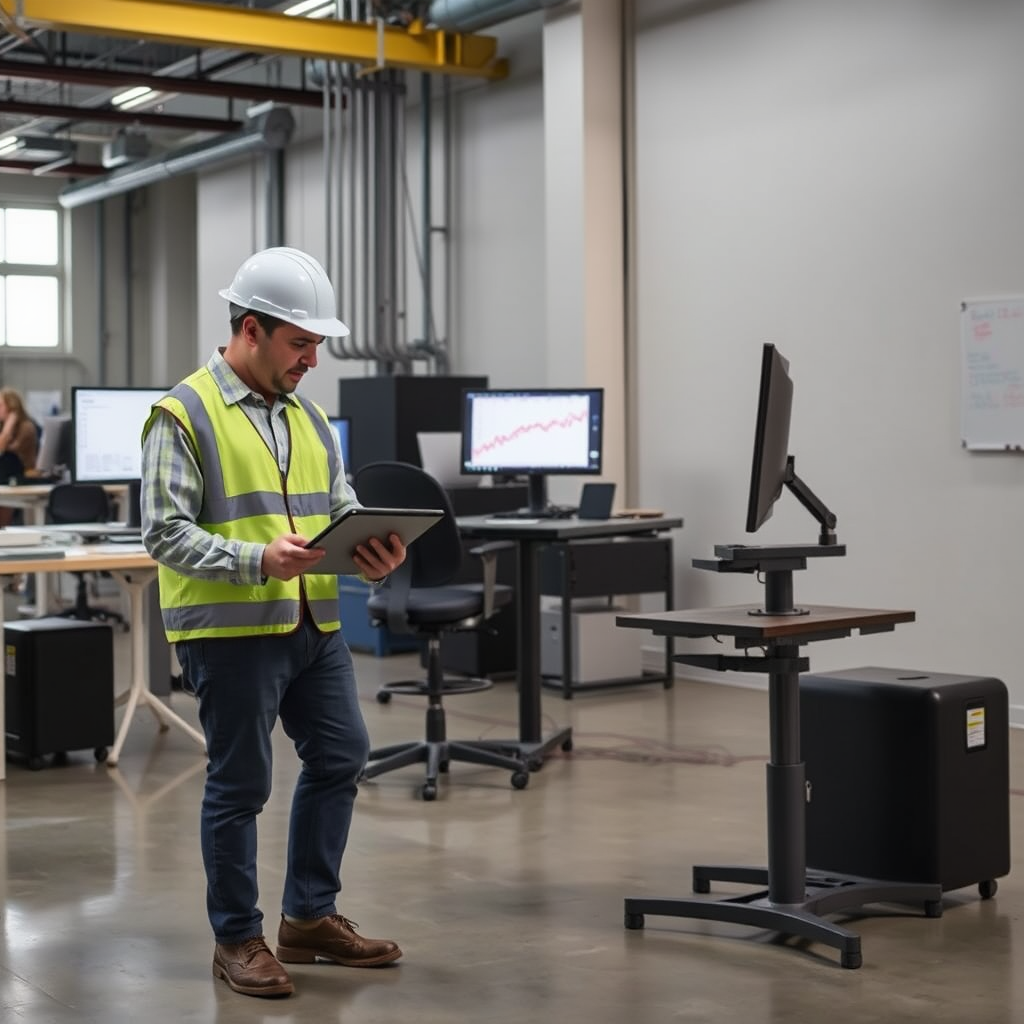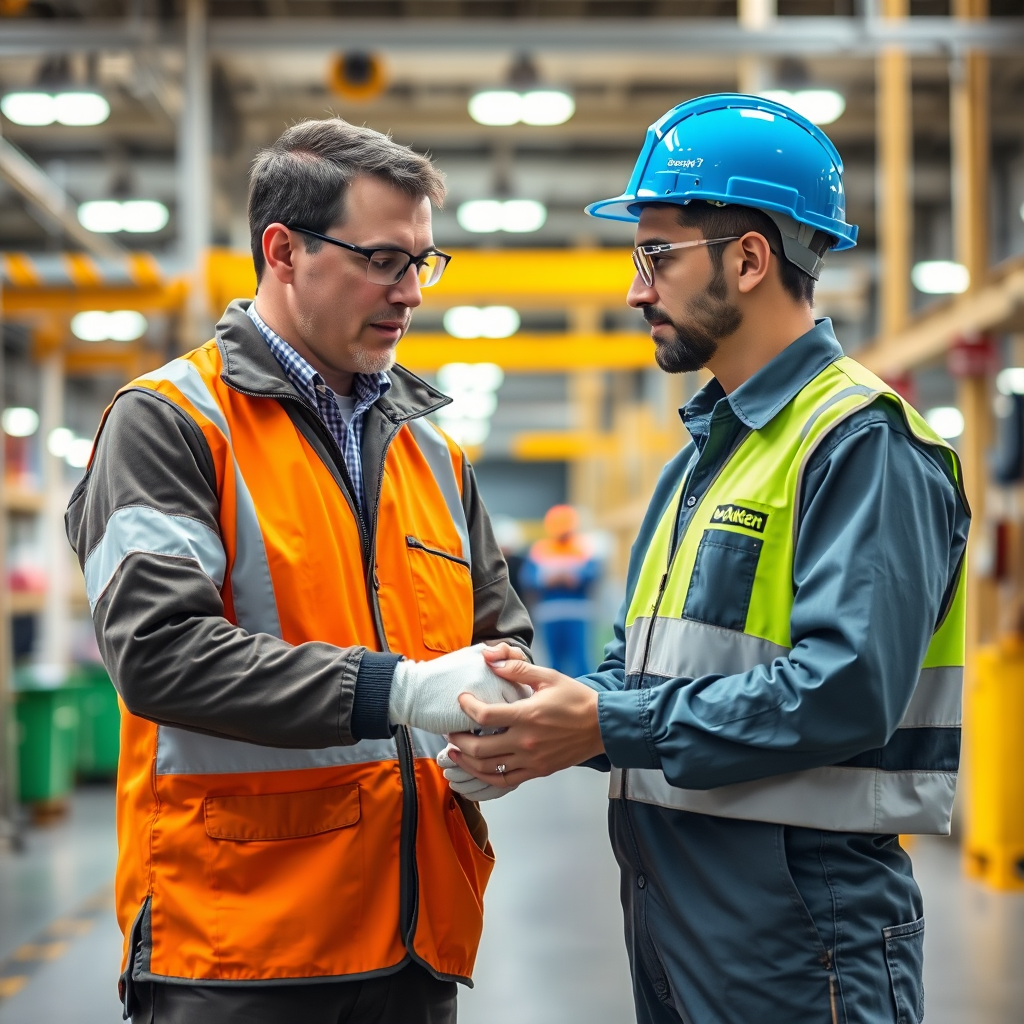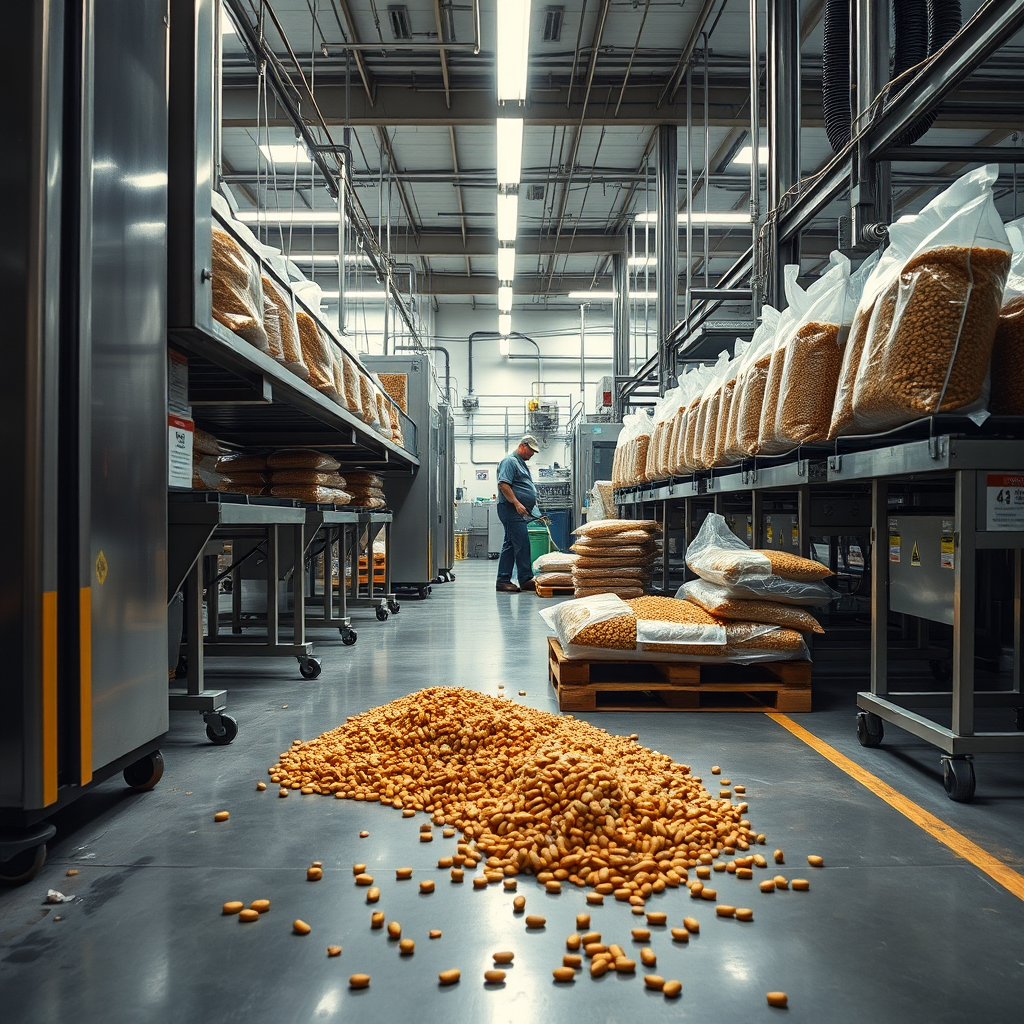

We schedule machines for maintenance. We schedule almost nothing for human fatigue, then act surprised when the 3 am shift has the accidents.
Fatigue is not a character flaw. It is biology. Reaction time drops, attention narrows, judgment gets worse, and the person feels fine right up until they miss something. The night shift, the double, the seventh day in a row are not just tired people. They are a measurably higher-risk operation.
And it does not show up in your safety paperwork. There is no box for “the crew was running on four hours of sleep.” So it stays invisible until it becomes an incident report.
The plants that take this seriously treat workload and rest like a real variable, not a toughness contest. Rotation, honest staffing, watching the hours that actually get worked, not just the ones on the schedule.
Your most dangerous shift is probably the one you think about least.
When does your team do its riskiest work, and who is watching that window?
Originally posted on LinkedIn by Karl Mudespacher. See the post and the discussion on LinkedIn.