“We don’t want to spy on our people.”
Great. Neither do we. In fact, I prefer having this conversation on the first call rather than the fifth.
The fear among teams is specific and completely understandable: they imagine a system monitoring their every move, building a dossier, and handing “ammunition” to management.
That kind of system wouldn’t just be ethically flawed—it simply wouldn’t work. The day workers feel they are being scored is the day they start working around the cameras instead of with them.
What we monitor is different:
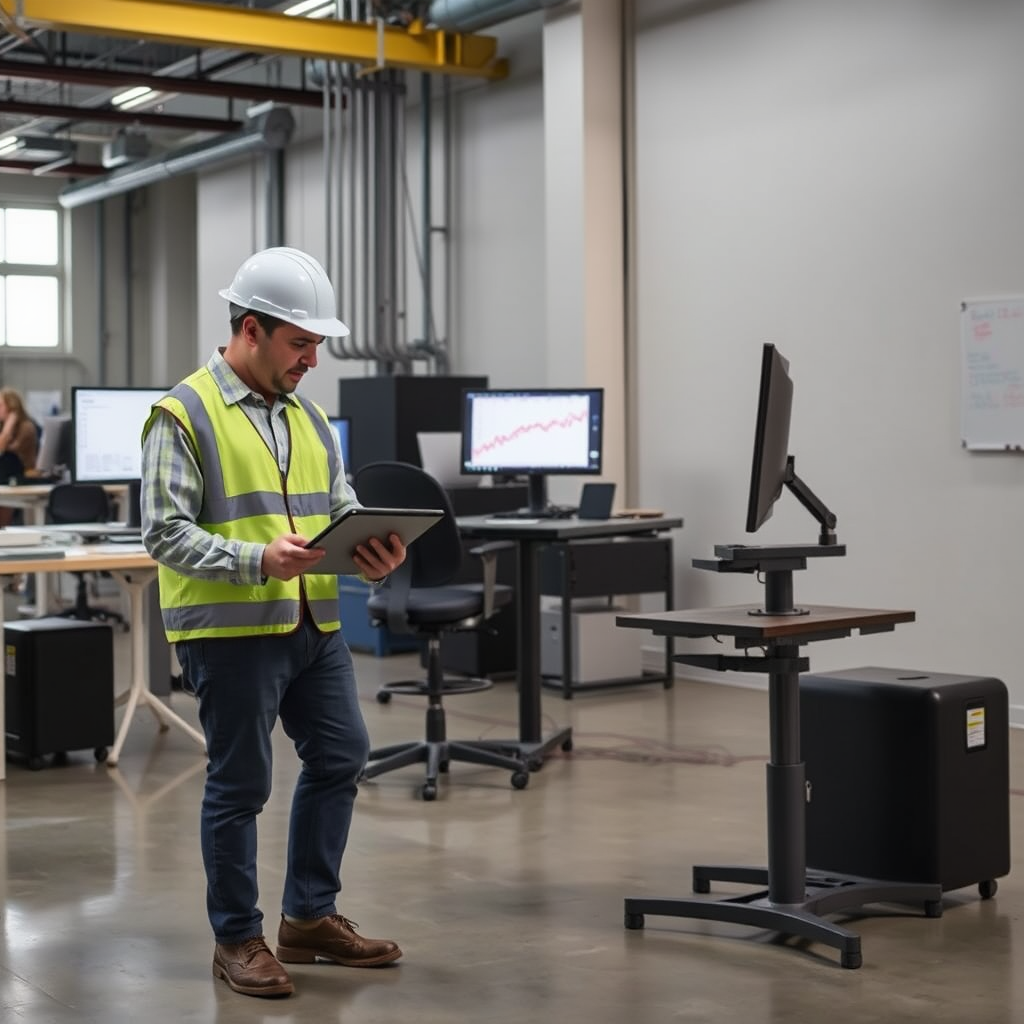
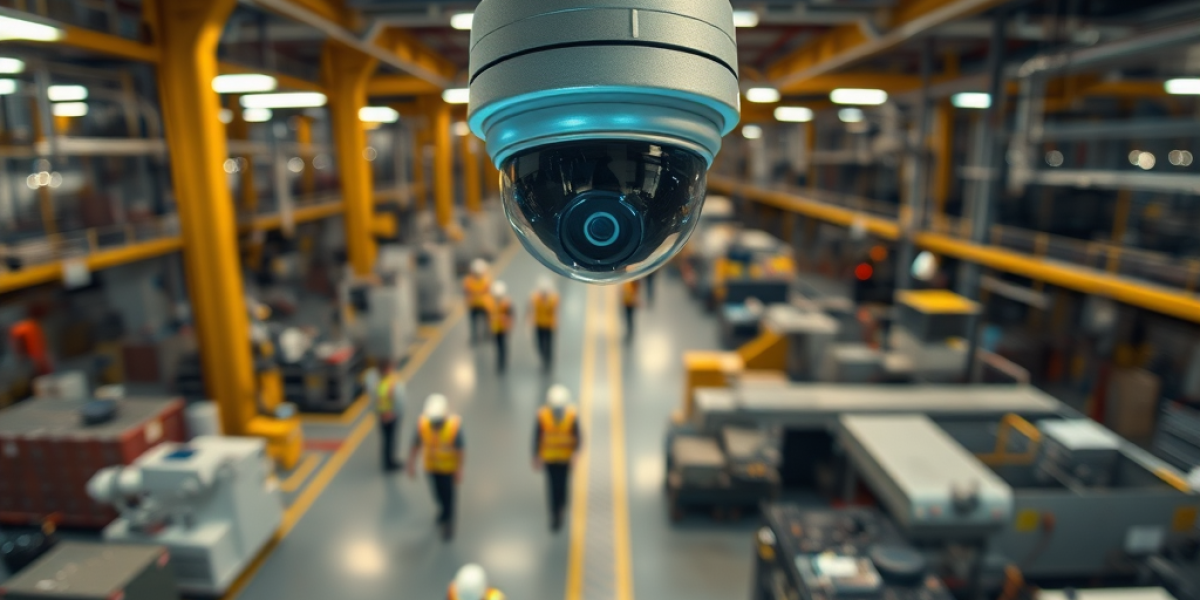
We monitor zones and conditions, not people.
Is someone inside an exclusion zone while equipment is active?
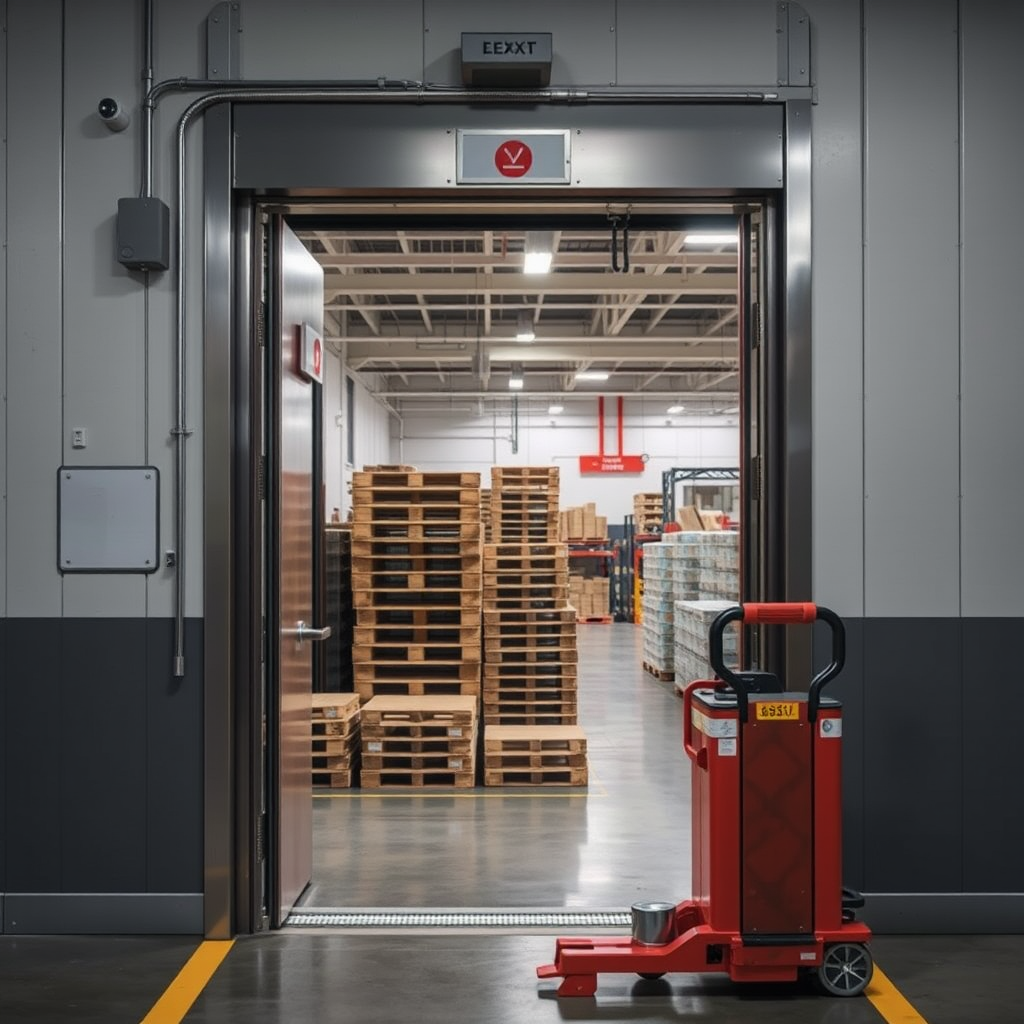
Is an emergency exit blocked?
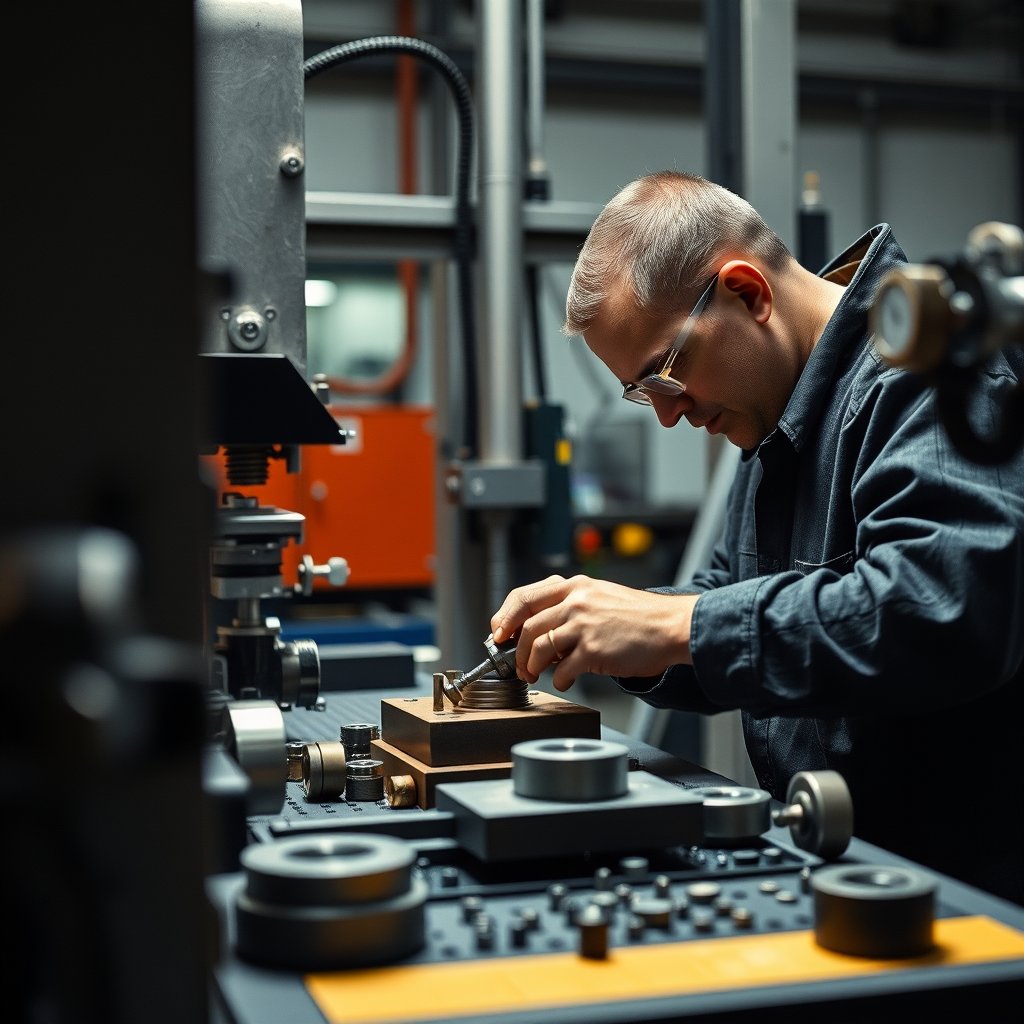
Is a safety guard clear and in position?
The alert focuses on the situational risk, not the individual. It goes directly to the supervisor so the hazard can be fixed immediately. We do not create individual performance records—and if that’s your requirement, we are the wrong provider.
This safety-first framing is how our solution is deployed across 210+ plants and 1,150+ locations, scaling in 5 days or less, with measurable results in 30 days.
If privacy concerns are what’s holding back your internal AI adoption, send me a message. I’ll walk your team through exactly what our 30-Day Pilot captures—and what it strictly ignores.
Originally posted on LinkedIn by Alejandra Ramirez. See the post and the discussion on LinkedIn.