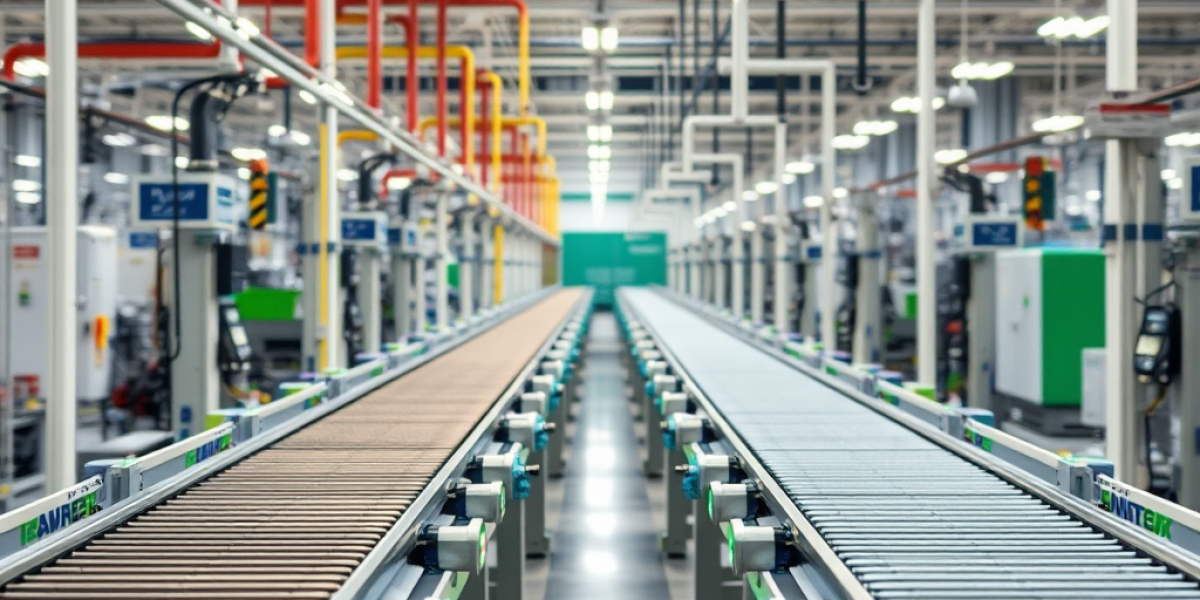
Two lines, same equipment, same product, same shift length. One outperforms the other by a wide margin, year after year. The machines are identical. So what is the difference?
It is almost never the iron. It is the hundred small things around it: how the line is set up, the habits of the crew, who solves problems versus who works around them, the little tricks one team knows and the other never learned. The gap between your best line and your worst is a map of everything that is not written down.
That is actually good news. If the difference were the equipment, you would have to buy your way out. But the difference is knowledge and practice, which means it can be copied, if you bother to find out what the good line does that the other does not.
Your best line is a free benchmark sitting in your own building.
Why does your best line beat your worst, and have you ever actually gone and asked?
Originally posted on LinkedIn by Karl Mudespacher. See the post and the discussion on LinkedIn.