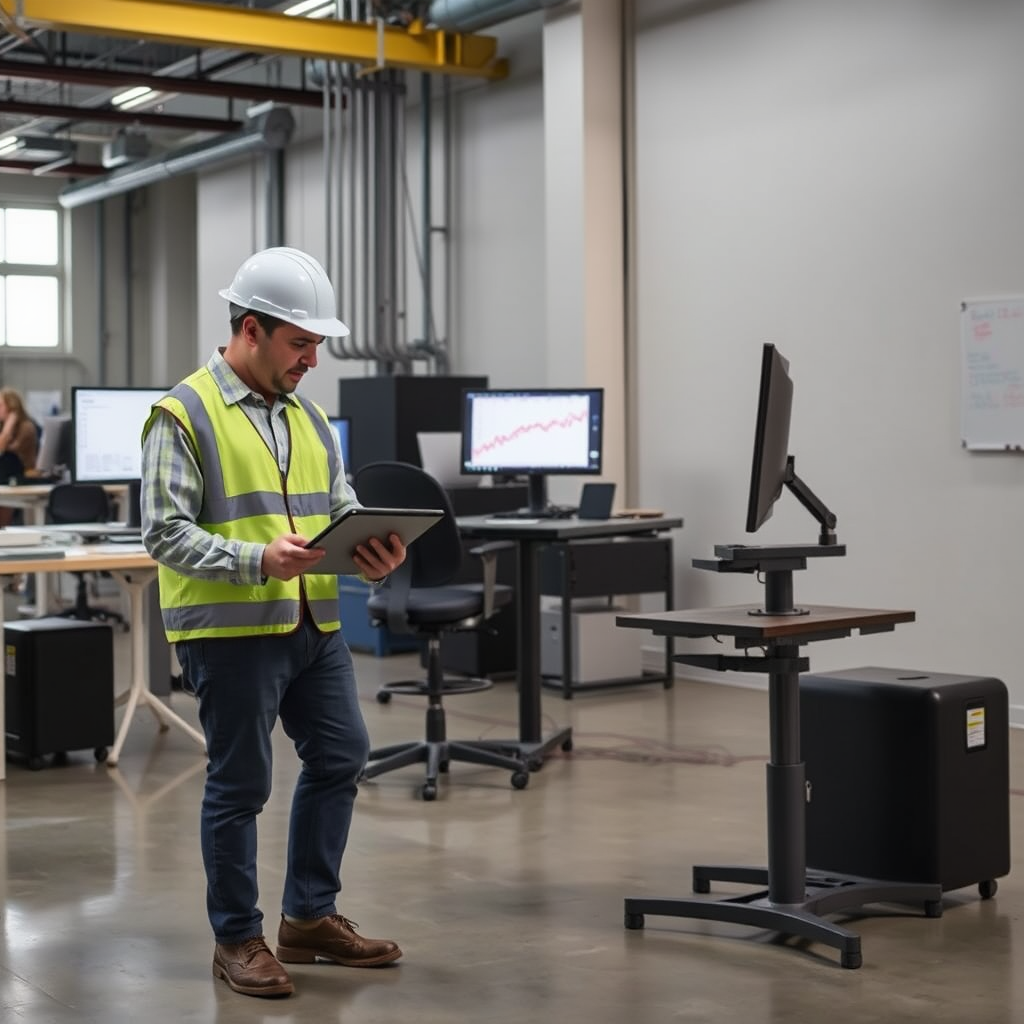

Thirty days into a Proactive Safety Intelligence deployment, the most common observation from plant leaders is not about the technology. It is about the people.
Supervisors close guards without being reminded. Operators flag conditions instead of walking past them. Shortcuts that had quietly become routine start reverting back toward the standard, not because anyone issued a new directive, but because people have started to believe that what happens on the floor gets noticed, consistently, by more than whoever happens to be standing nearby.
That behavioral shift does not stay confined to safety. The same supervisor who tightens up a guard habit starts tightening up a changeover habit. The same operator who stops taking a shortcut around a hazard starts questioning other shortcuts, the ones that cost time and quality rather than safety.
From your existing cameras, on-site, the visibility that built that trust in the first month becomes the foundation for a broader kind of attention: to flow, to standard work, to the small drifts that used to go unnoticed until they became expensive.
That is the actual on-ramp to Operational Risk Visibility. It does not start with a new system. It starts with a floor that has learned, over thirty days, that it is being watched for its own good.
Karl reshare suggestion: The best proof a safety program is working is not a chart. It is a supervisor who stops walking past something.
https://braingine.ai/what-is-proactive-safety-intelligence/
Originally posted on LinkedIn by Karl Mudespacher. See the post and the discussion on LinkedIn.