The most dangerous near-miss is the one nobody reports.
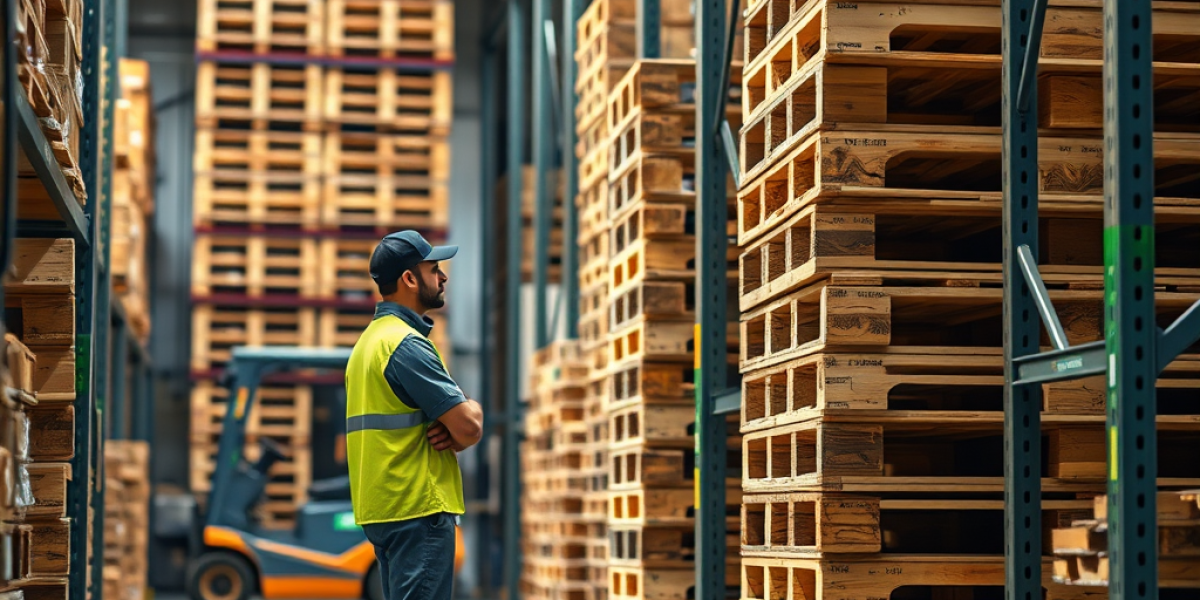
I saw it at a food plant a few months ago. An operator barely dodged a badly stacked pallet coming down on him. He shook off the scare. His coworkers saw it. Everyone went back to work.
Nobody wrote anything down.
Three weeks later, same blind spot, same kind of load. That time it did get reported, because someone ended up in the ER.
That is a culture of silence. And it is far more common than your plant’s numbers suggest.
The problem is not that people are careless. The problem is the process. Reporting a near-miss on paper takes time, it is a hassle, and most of the time nothing happens with the information. So why bother?
What changes behavior is not asking people to report more. It is making reporting effortless, and making real-time data actually lead to something.
A question for the people running plants: how many near-misses did your teams report last month?
If the answer is zero, or close to it, the problem is not that your plant is perfect.
Originally posted on LinkedIn by Karl Mudespacher. See the post and the discussion on LinkedIn.