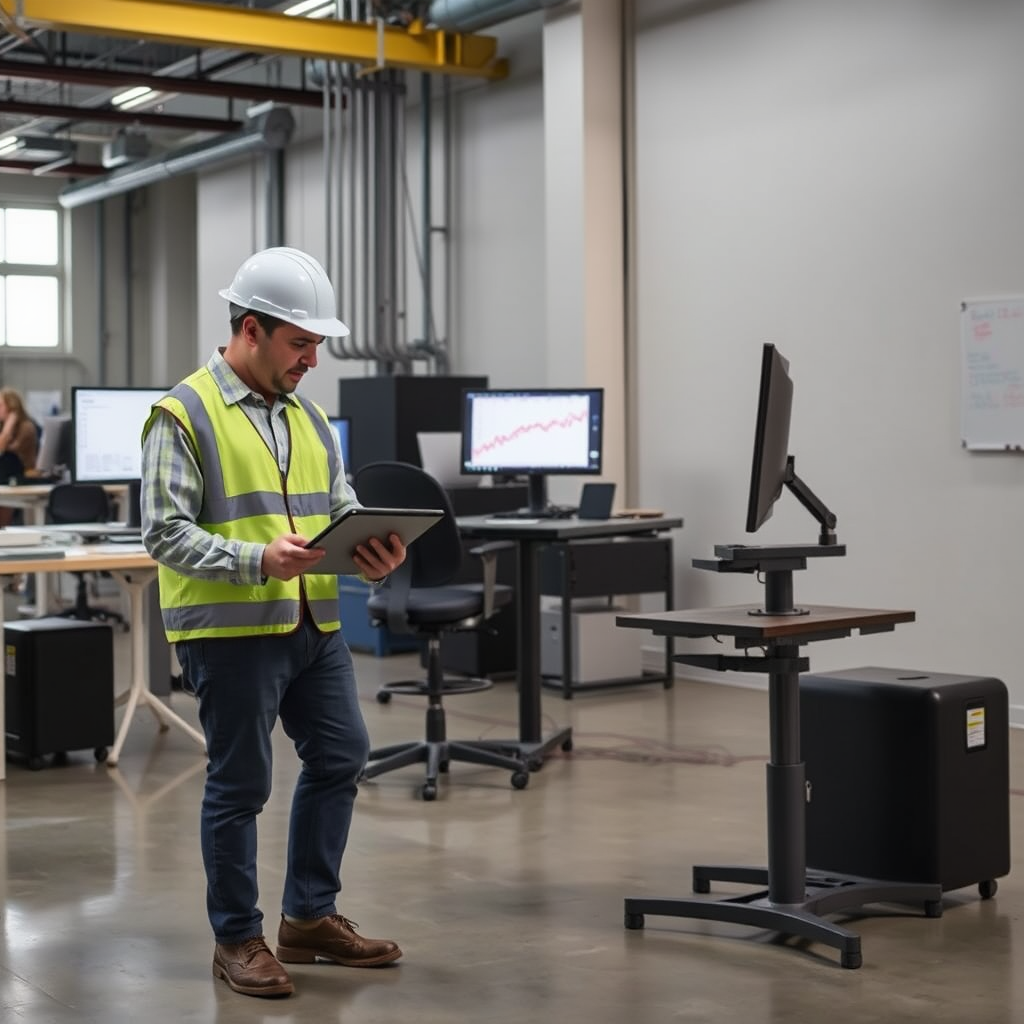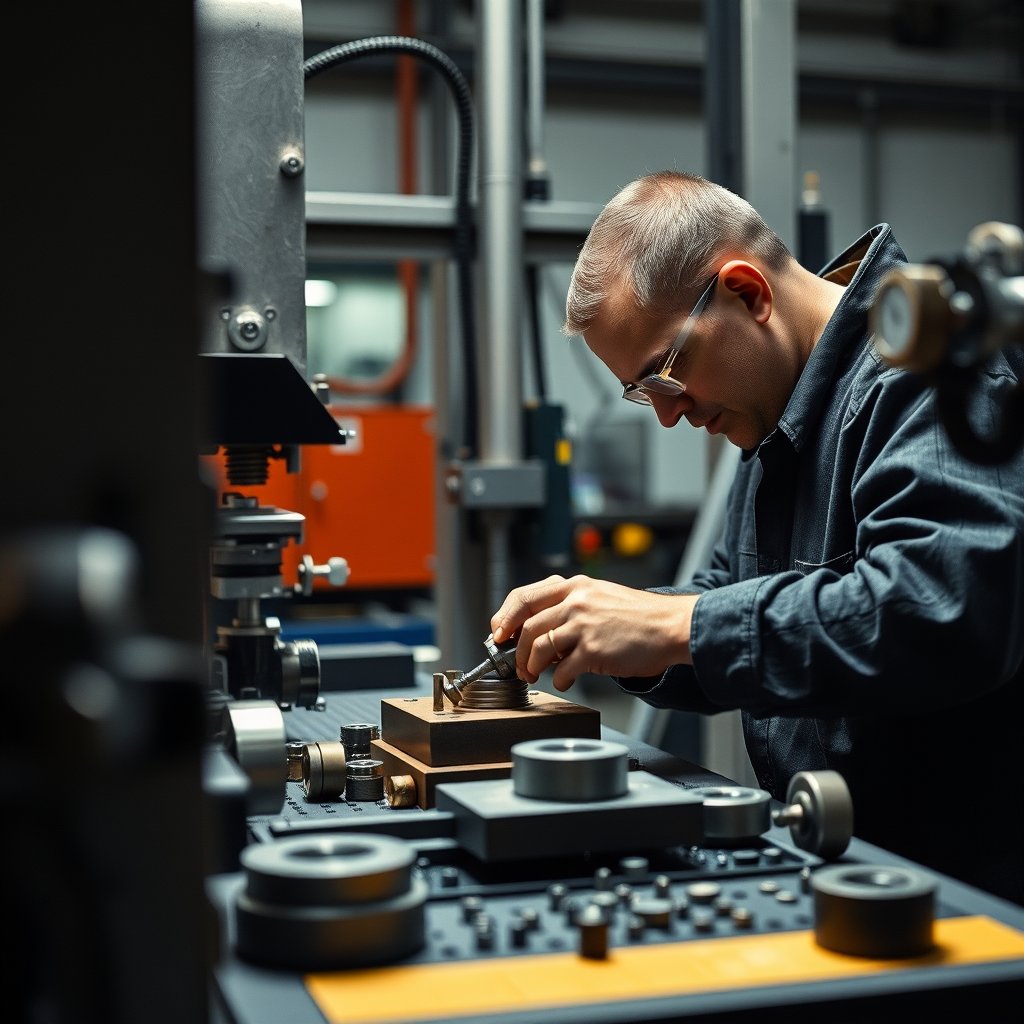
Ergonomics has good tools. The NIOSH Lifting Equation, RULA, REBA, and similar methods give a rigorous, well-validated read on the risk of a specific lifting or reaching posture, at the moment someone measures it.
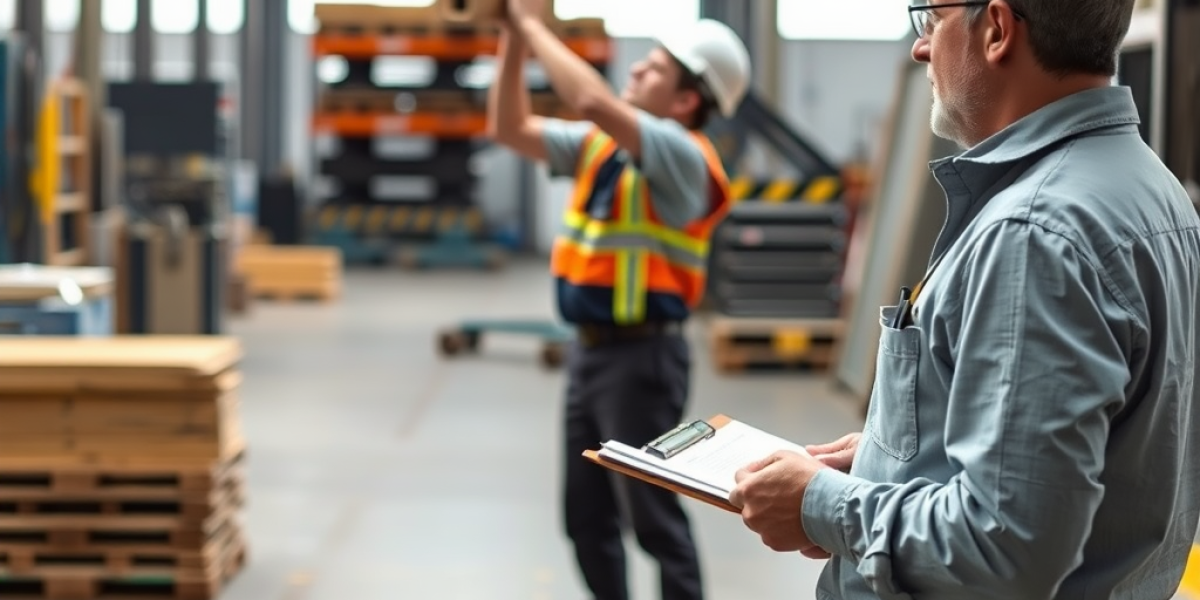
That last part is the limit, not the method. An ergonomist observes a task, scores the posture, load, frequency, and duration against a validated formula, and produces a number that accurately describes that task, as performed, during that observation window.
What it cannot describe is the task performed differently an hour later, at the end of a shift, when fatigue changes posture without anyone deciding to change it. It cannot describe the rush period when a worker skips the two-handed lift technique because the line will not wait. It cannot describe the day the workstation height was wrong because a taller operator covered someone else's shift.
Proactive Safety Intelligence does not replace the assessment. It extends it, from your existing cameras, on-site, watching how a task is actually performed across a full shift, not just during the window an ergonomist happened to be standing there.
A snapshot tells you what good form looks like. It cannot tell you how often the floor actually achieves it.
https://braingine.ai/what-is-proactive-safety-intelligence/
Originally posted on LinkedIn by Karl Mudespacher. See the post and the discussion on LinkedIn.