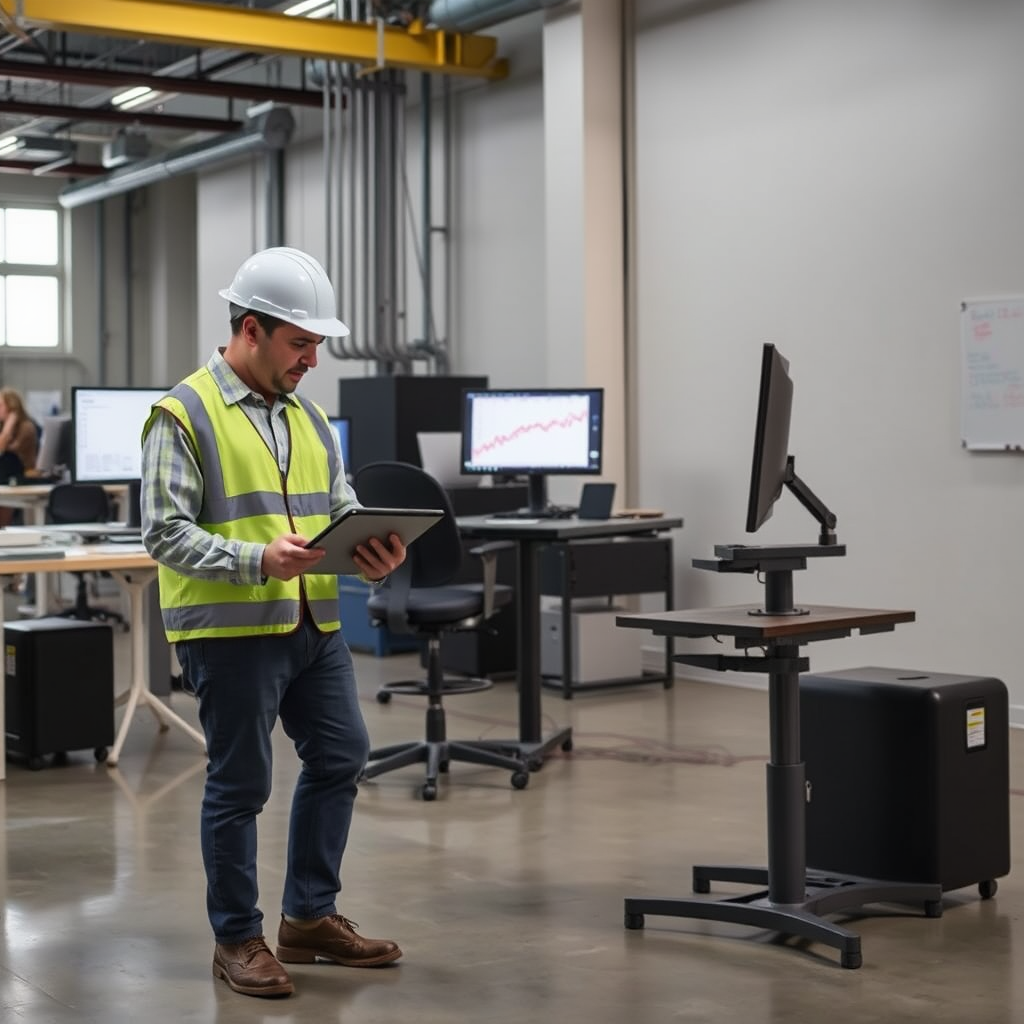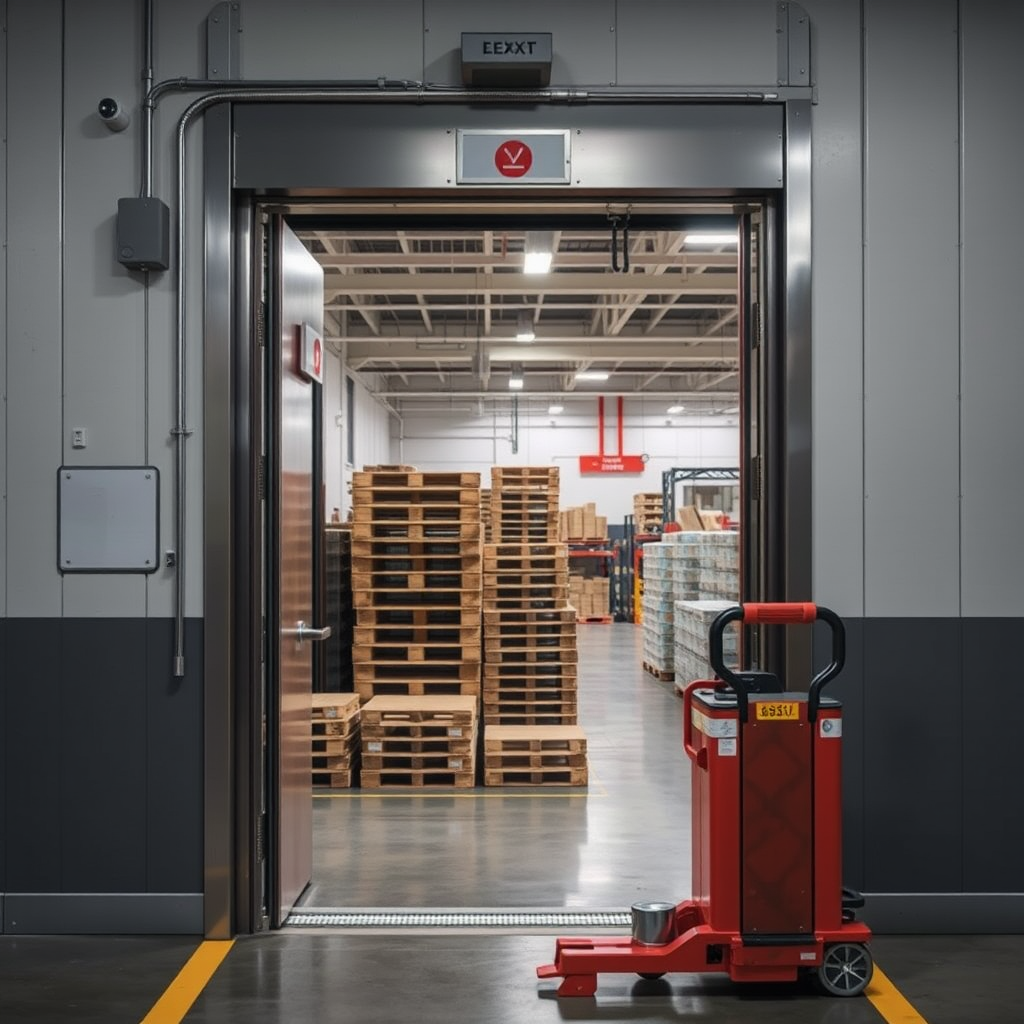
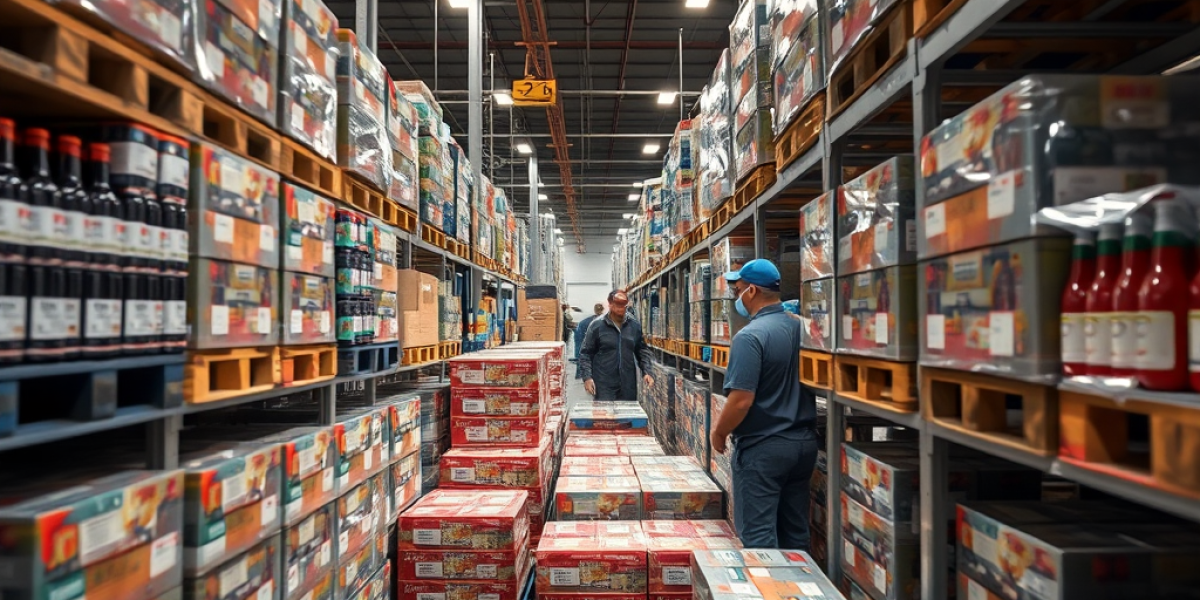
A beverage canning line had one changeover point that operations had flagged for months as the reason the line never hit its target run rate.
Pallets staged too close to the walkway. Two material handlers working in a space built for one. A supervisor who had asked, more than once, for the layout to be widened.
The operations fix, when it finally got budget, was framed entirely around speed: wider aisle, better staging, fewer stops. Nobody had framed it as a safety project, even though a forklift operator had clipped a staged pallet in that exact spot the year before, a near miss that got logged, discussed once, and then forgotten because nothing was damaged and no one was hurt.
The redesign that finally happened fixed both problems with the same change, because they had always been the same problem. The congestion that slowed the line down was the same congestion that put a forklift operator inches from a material handler on foot.
Nobody had connected the two reports until someone looked at both lists at the same time and noticed they pointed at the same square meter of floor.
That is the blind spot Proactive Safety Intelligence closes: one continuous read of the floor, not two separate reports that never talk to each other.
Originally posted on LinkedIn by Karl Mudespacher. See the post and the discussion on LinkedIn.